
What to see at Piazza del Popolo
Six stops that tell three thousand years of history, from ancient Egypt to Valadier's neoclassicism.
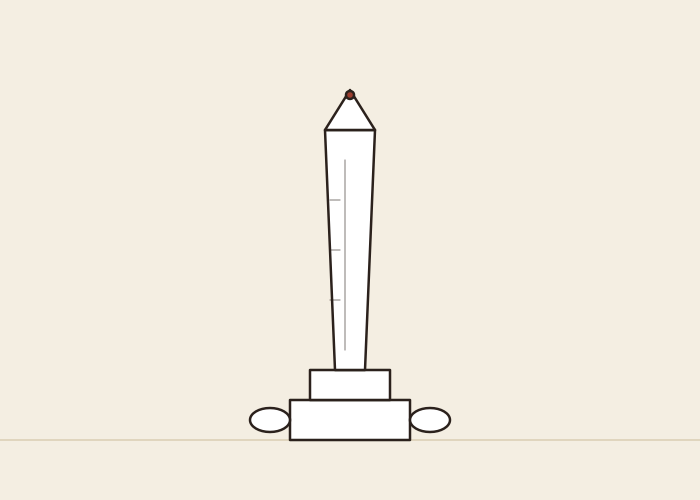
Flaminio Obelisk
Erected in Heliopolis around 1300 BC under Pharaoh Seti I and completed under Ramses II, it was brought to Rome by Augustus for the Circus Maximus and moved here in 1589 by Pope Sixtus V, to a design by Domenico Fontana.
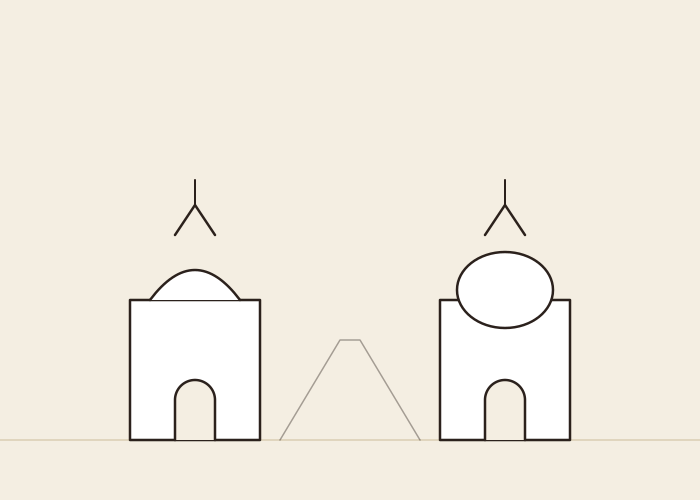
The Twin Churches
Santa Maria in Montesanto (1675, also known as the "artists' church") and Santa Maria dei Miracoli (1678), built by Carlo Rainaldi, form two symmetrical poles at the entrance to Via del Corso.
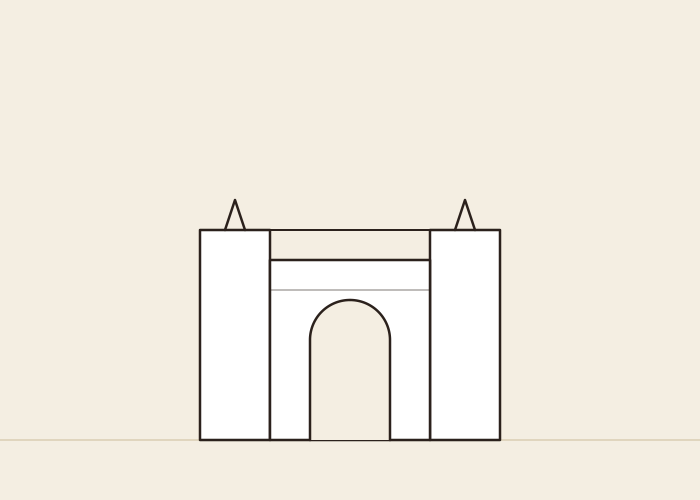
Porta del Popolo
The ancient Porta Flaminia, Rome's northern gateway along the Via Flaminia. Bernini decorated the inside in 1655 for the triumphal arrival of Queen Christina of Sweden, newly converted to Catholicism.
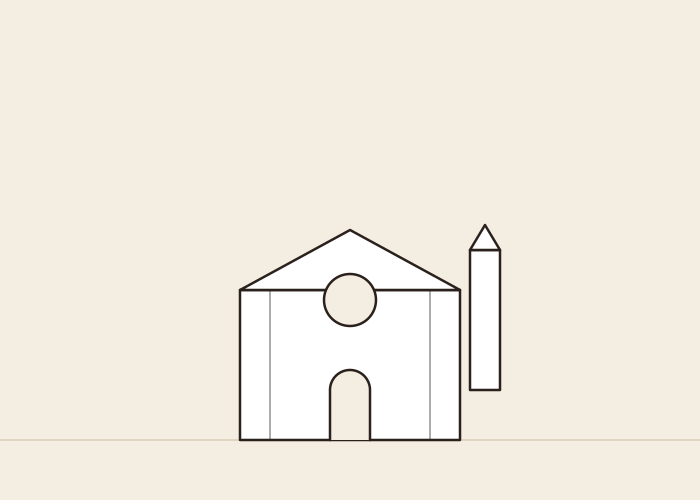
Santa Maria del Popolo
Founded in 1099 under Pope Paschal II, it holds two Caravaggios in the Cerasi Chapel and the Chigi Chapel, designed by Raphael.

Fountain of the Goddess Rome
At the foot of the Pincio, a Valadier work fed by the ancient Aqua Virgo aqueduct, with the personification of Rome flanked by the Tiber and Aniene rivers.
Pincio Terrace
The viewpoint overlooking the square from above, reached by a short climb or lift, with views over the whole of Rome as far as St Peter's.
Want to see the Caravaggios without the crowds?
The Cerasi Chapel in Santa Maria del Popolo is free but can get busy — best to arrive early in the morning, especially in high season.
See tickets and experiences
Space reserved for local operators.